
} } } } } } } } } } } } } } } } } } ] }
Skip to Content

Chantilly Air Jet Center

Washington D.C.’s most established FBO, delivering secure hangar
space, reliable fuel, and efficient ground support just 36 miles
from downtown DC.

Comprehensive Aviation Services

Management, maintenance, charter, and sales services designed
to keep your aircraft compliant, supported, and ready to fly.

About Chantilly Air

Learn who we are, how we operate, and access resources built
to help aircraft owners, operators, and flight departments make
informed decisions.

Resources

6 min read

Part 145 Repair Station: The Safety Standard to Demand

Part 145 Repair Station: What to Demand from Your MRO
9:44

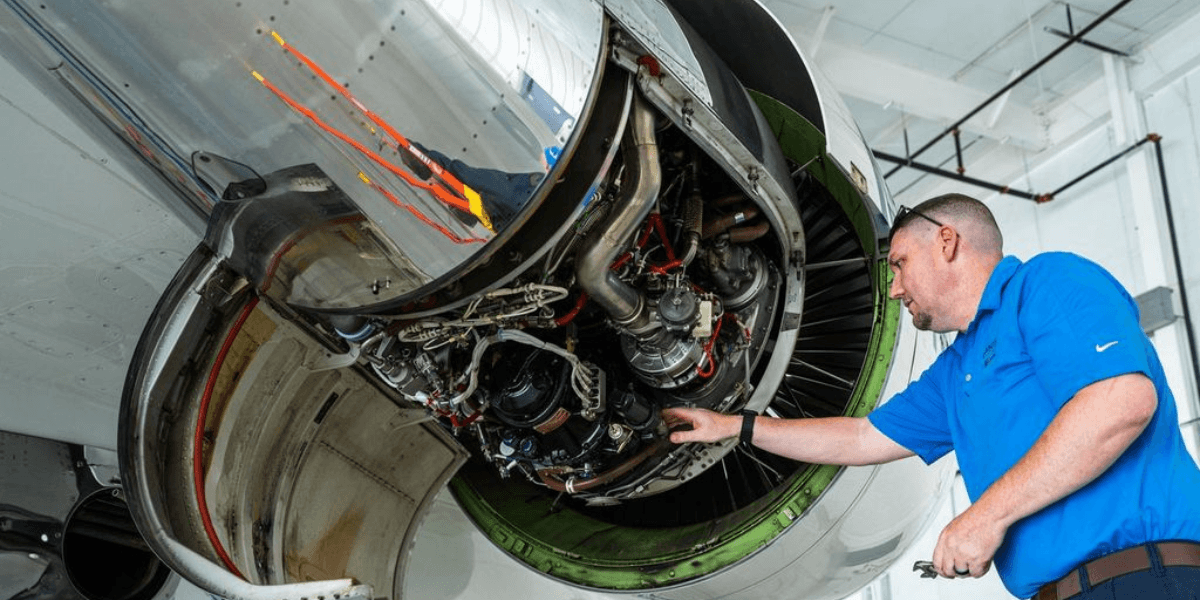
A Part 145 repair station is more than a regulatory checkbox. It's how the FAA tells you a maintenance facility has been audited, approved, and held to a federal standard for the work it performs on aircraft. 


For owners and operators of business jets and private planes, that distinction has weight. The wrong shop can void warranties, trigger insurance disputes, and put people at risk. The right shop gives you a paper trail, accountability, and trained technicians working under documented procedures.

This guide breaks down what Part 145 certification actually means, why it should be your baseline when choosing an MRO, and what the certification looks like in practice at a working FBO and repair station like Chantilly Air at Manassas Regional Airport (KHEF).

What Is a Part 145 Repair Station?

A Part 145 repair station is a maintenance facility certificated by the Federal Aviation Administration under 14 CFR Part 145 to perform aircraft maintenance, preventive aircraft maintenance, alterations, and inspections on civil aircraft and aircraft components. The "Part 145" name comes directly from the section of federal regulations that governs these facilities.

Unlike independent mechanics working under their own A&P (Airframe and Powerplant) certificate, a Part 145 repair station operates as a regulated business. The facility itself holds the certificate. That means the FAA has reviewed and approved the shop's housing, equipment, personnel, technical data, and quality control procedures - not just one technician's credentials.

Each repair station also holds specific ratings that define what work it's authorized to perform. Common rating categories include:

  • Airframe (Class 1-4, based on aircraft size and type)

  • Powerplant (Class 1-3, covering engines)

  • Propeller (Class 1-2)

  • Radio, Instrument, and Accessory ratings for components

  • Limited ratings for specialized work like non-destructive testing or specific component overhauls

The ratings matter. A Part 145 station with a Class 3 Airframe rating is approved to work on small turbine business jets. A station rated only for piston singles can't legally touch a Gulfstream.

More from Chantilly Air's blog - How to choose the right maintenance provider for your aircraft.

Why Does Part 145 Certification Matter for Safety?

Aircraft maintenance is one of the highest-stakes jobs in aviation.  Certification exists to reduce risk through process, documentation, and oversight.

A Part 145 repair station is required to maintain:

  • A Repair Station Manual (RSM) describing how the shop operates day to day

  • A Quality Control Manual (QCM) detailing inspection procedures and sign-off rules

  • A capability list identifying every aircraft and component the station is approved to work on

  • Training records for every technician on staff

  • Calibration records for every tool that requires it

When a non-certified shop performs maintenance, none of that documentation is required. Mistakes don't always show up immediately. A torque value missed by 10 pounds, a cotter pin omitted, a corrosion finding ignored - these can fly for months before consequences appear. Certification doesn't eliminate human error, but it builds in checks: independent inspectors, sign-offs, and audit trails that make errors easier to catch before they fly.

For owners and charter operators, Part 145 also matters for insurance and resale value. Most aviation insurers assume Part 145 maintenance as a baseline, especially for turbine aircraft. Aircraft logbooks with consistent Part 145 entries hold their value at sale. Logbooks with gaps or non-certified entries don't.

What's the Difference Between Part 145 and Non-Certified Maintenance?

Not all aircraft maintenance happens at certificated facilities. Independent A&P mechanics can legally perform work on most general aviation aircraft. So can manufacturers, when working on their own products. The difference between those scenarios and a Part 145 repair station comes down to scope, documentation, and oversight.

Here's how the two compare:

  Standard

  Part 145 Repair Station

  Independent A&P Mechanic

Who holds the certificate

The repair station itself holds an FAA certificate, separate from individual technician licenses.

Only the individual mechanic holds a certificate, with no facility-level approval required.

Required documentation

The station must maintain a Repair Station Manual, Quality Control Manual, capability list, and detailed training records for every technician on staff.

The mechanic maintains personal records and aircraft logbook entries for the work they perform.

FAA oversight

The station is subject to scheduled and surprise audits by the FAA's Flight Standards District Office covering facilities, procedures, and personnel.

Oversight is limited to individual certificate review and any specific FAA enforcement actions.

Scope of approved work

Work scope is defined by specific ratings (Airframe, Powerplant, Component) and listed on the capability list.

Work scope is defined by the mechanic's certificate, typically A&P or A&P with Inspection Authorization.

Quality control checks

An independent inspector who did not perform the work must sign off on completion before the aircraft returns to service.

The mechanic performing the work signs off on their own work, with no required independent check.

For a business jet or any turbine aircraft, the answer is almost always Part 145. The aircraft is too complex, the parts too expensive, and the consequences of a missed item too serious to skip the documentation layer.

What Does FAA Part 145 Require from a Repair Station?

A facility doesn't just declare itself a Part 145 repair station. The certification process takes months and requires the FAA to verify every aspect of the operation.

Here's what the FAA reviews before issuing a Part 145 certificate, according to FAA guidance:

  • Housing and Facilities.  The shop must have sufficient hangar and shop space for the work it intends to perform, with proper lighting, ventilation, temperature control, and protection from weather and contaminants.

  • Equipment and Tools.  Every tool required by the manufacturer's maintenance manuals must be on hand, in working order, and calibrated where applicable. Calibration records have to be current and traceable.

  • Technical Data.  The station must hold current copies of every maintenance manual, service bulletin, airworthiness directive, and overhaul manual covering the aircraft on its capability list.

  • Personnel.  Technicians must hold valid A&P certificates. Inspectors must be separately qualified. The station must maintain training records showing that every employee is current on the equipment they're authorized to operate.

  • Quality Control System.  An independent inspector, not the technician who performed the work, must sign off on every job. The shop must have documented procedures for receiving inspection, in-process checks, final inspection, and return-to-service.

  • Recordkeeping.  Every job generates a paper trail: work orders, parts traceability, inspection records, and the all-important logbook entry that goes back to the aircraft owner.

The certification isn't permanent. The FAA conducts ongoing surveillance, and any of the above can be grounds for suspension if standards slip.

Want proof those standards translate to real-world performance? The FAA recently recognized Chantilly Air with its Diamond Award for maintenance excellence.

Part 145 Repair Station The Safety Standard to Demand

Inside Chantilly Air's Part 145 Repair Station Operations

Chantilly Air operates an FAA-certificated Part 145 repair station at Manassas Regional Airport (KHEF) in northern Virginia, serving business jets and private planes throughout the Washington DC metro region.

The shop is structured around the same standards every Part 145 station meets - documented procedures, calibrated tooling, manufacturer-trained technicians - but the operating philosophy goes a step further. Maintenance work runs on the same premium-service principles that define the rest of the operation. That means clear communication with owners and operators, scheduled inspections completed on time, and full transparency on findings before any additional work begins.

Aircraft on the field benefit from the integrated nature of the operation. Owners who base their aircraft at Chantilly Air can move from hangar to ramp to FBO without coordinating across vendors. Charter operators flying in for service get the same treatment as the resident fleet and because the maintenance team works alongside the flight department and ground crew, scheduling around trips is built into the process rather than treated as an afterthought.

For owners considering where to base or service a business jet in the DC area, that consistency matters. Part 145 certification is the floor. The service standard built on top of it is what separates capable shops from ones operators come back to year after year - and it's the same operational discipline that's helped drive digital growth for the broader Chantilly Air brand.

Service with Chantilly Air - Contact Our Team

Frequently Asked Questions

Sources:

How to Choose the Right MRO Provider for Your Business or Private Jet

How to Choose the Right MRO Provider for Your Business or Private Jet

Whether you own a private jet or manage a business aircraft fleet, selecting the right MRO (Maintenance, Repair & Overhaul) provider or aircraft...

Read More
What is Aircraft Management?

What is Aircraft Management?

Owning a private aircraft represents more than just transportation, it is a complex asset that demands careful oversight. From regulatory compliance...

Read More
The Importance of Aircraft Management for Private & Business Aviation

The Importance of Aircraft Management for Private & Business Aviation

Aircraft management is important because it ensures private and business aircraft operate safely, efficiently, and in full compliance with FAA...

Read More